
What are the common sweeteners? Three common sweeteners.
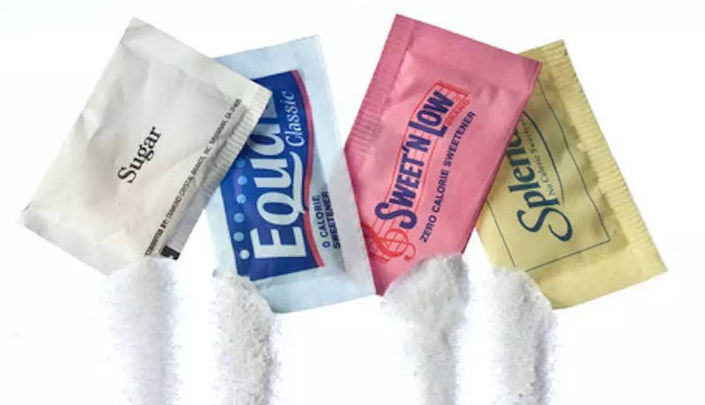
Some low-sugar or even zero-calorie soft drinks, yogurt, desserts, cereal bars, jams and so on often use low-calorie sweeteners, here are three commonly used sweeteners.
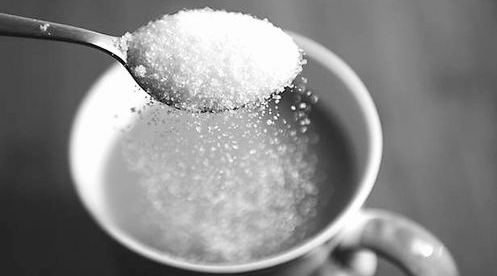
Saccharin.
Saccharin is one of the oldest low-calorie sweeteners on the market and has been used to sweeten food and drink since the early 20th century. Low-calorie sweeteners such as saccharin are currently the most thoroughly tested and fully evaluated food additives.
In terms of consumption, saccharin sweeteners account for more than half of all sweeteners and have been used for quite a long time. Saccharin has been subjected to several rounds of risk assessment by the European Food Safety Agency (EFSA) (EFSA) and the US Food and Drug Administration (FDA) (FDA). Both agencies agree that concerns about carcinogenicity, blood glucose control, weight control and intestinal microbiota are unfounded in the case of saccharin.
Stevia.
Stevia is a zero-calorie sweetener, a natural plant compound made from stevia glycosides. The longest used stevioside, stevioside and lycopene A are extracted from the leaves of stevia, a plant native to Paraguay. Locals use the leaves to sweeten food and drink.
Stevia tastes 200 to 300 times sweeter than sugar, which means it takes only a very small amount to achieve the desired sweetness. After decades of testing, stevia was approved in Europe in 2016 and is now widely used in a variety of products. In addition, new evidence suggests that stevioside has antibacterial activity and may help control blood pressure and blood sugar.
Sucralose trichloride.
Sucralose is an artificial sweetener and can also be used as a substitute for sugar. It replaces three hydroxyl groups in sugar molecules with chlorine atoms, which gives it a strong sweetness, often in yogurt, seasoned milk, cereal or low-calorie baked goods and ice cream.
The United States approved sucralose in 1998 and the European Union in 2000. Sucralose does not cause tooth decay and has less effect on blood glucose levels than sugar. The European Food Safety Agency concluded in 2011 that eating foods and drinks containing sucralose instead of sugar can protect teeth and help control blood pressure and blood sugar.
Contact: Info
Phone: +86-15018706725 (Wechat & Whatsapp)
E-mail: info@flavoursogood.com
Add: East Dongfeng Road, North of Baiyun Ave, 510440, Guangzhou